































No products in the cart.

Ethereum (ETH) may be gradually turning into a store of value based on the amount of digital assets held by long-term investors, CryptoSlate’s analysis of Glassnode data reveals.
With Ethereum falling more than 70% from all-time highs in the current market cycle, investors would expect to dump their coins heavily to recoup their money.
However, Glassnode HODL wave data shows that long-term investors currently hold 80% of the ETH supply, i.e. those who have held the token for more than 6 months, which is the highest in 2018. Very similar to bear market levels.
HODL Wave is a metric used to measure the number of investors holding a particular digital asset.
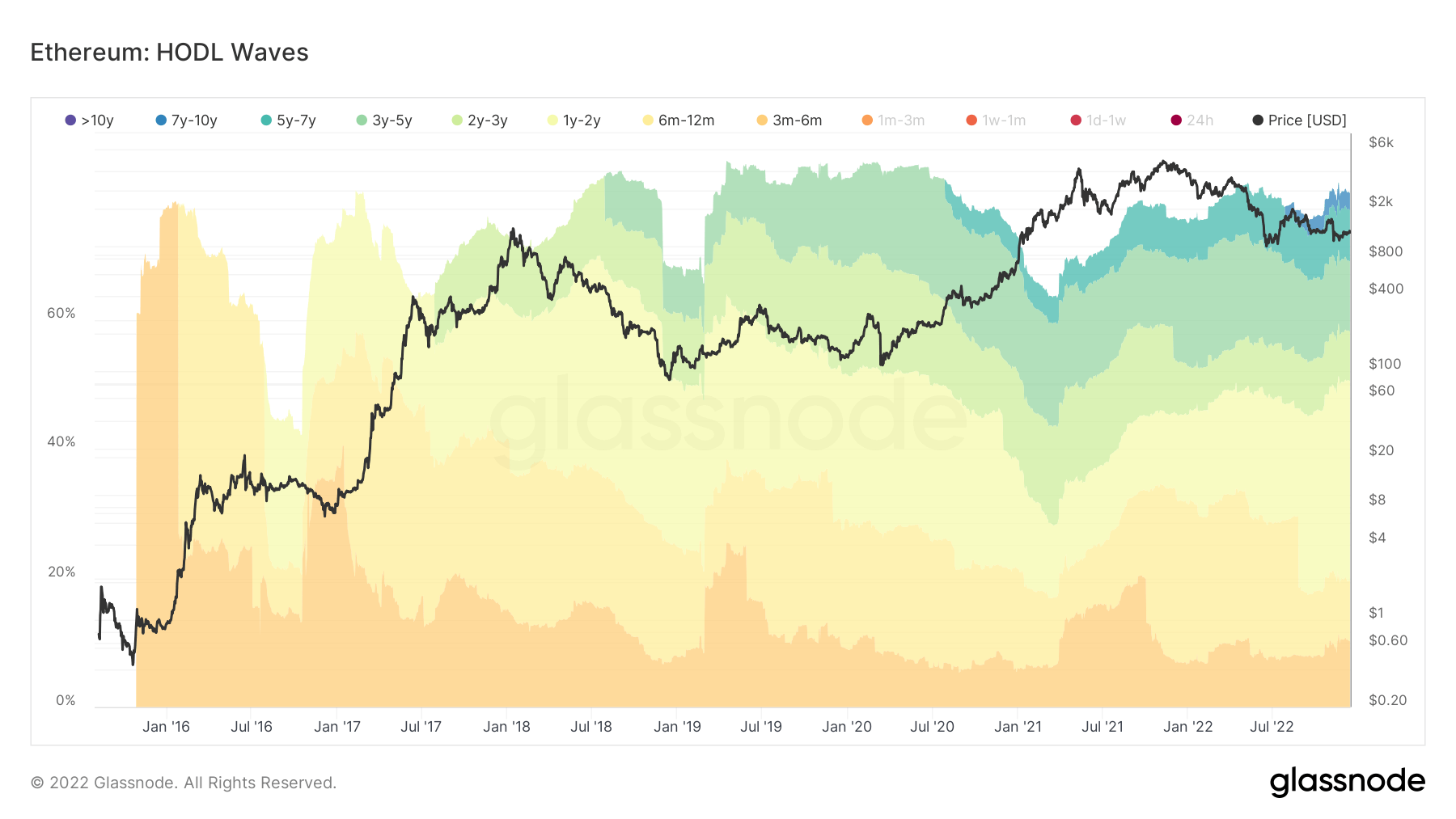
The fact that many long-term holders have yet to sell their assets suggests their confidence in the long-term value of ETH. This is a common sign in bitcoin that long-term holders usually keep rough patches because they believe the asset will be valuable in the long run.
In fact, at the height of the Terra collapse epidemic in July, a new cohort of long-term holders of Ethereum for 7 to 10 years began to emerge. According to the chart above, this group of investors holds about 3% of the total ETH supply.
YOU MAY ALSO LIKE

1-2 year band investors are submerged
On the other hand, ETH investors who hold for 1-2 years are probably under the water given the bull market in 2021 and likely buying in early 2022.
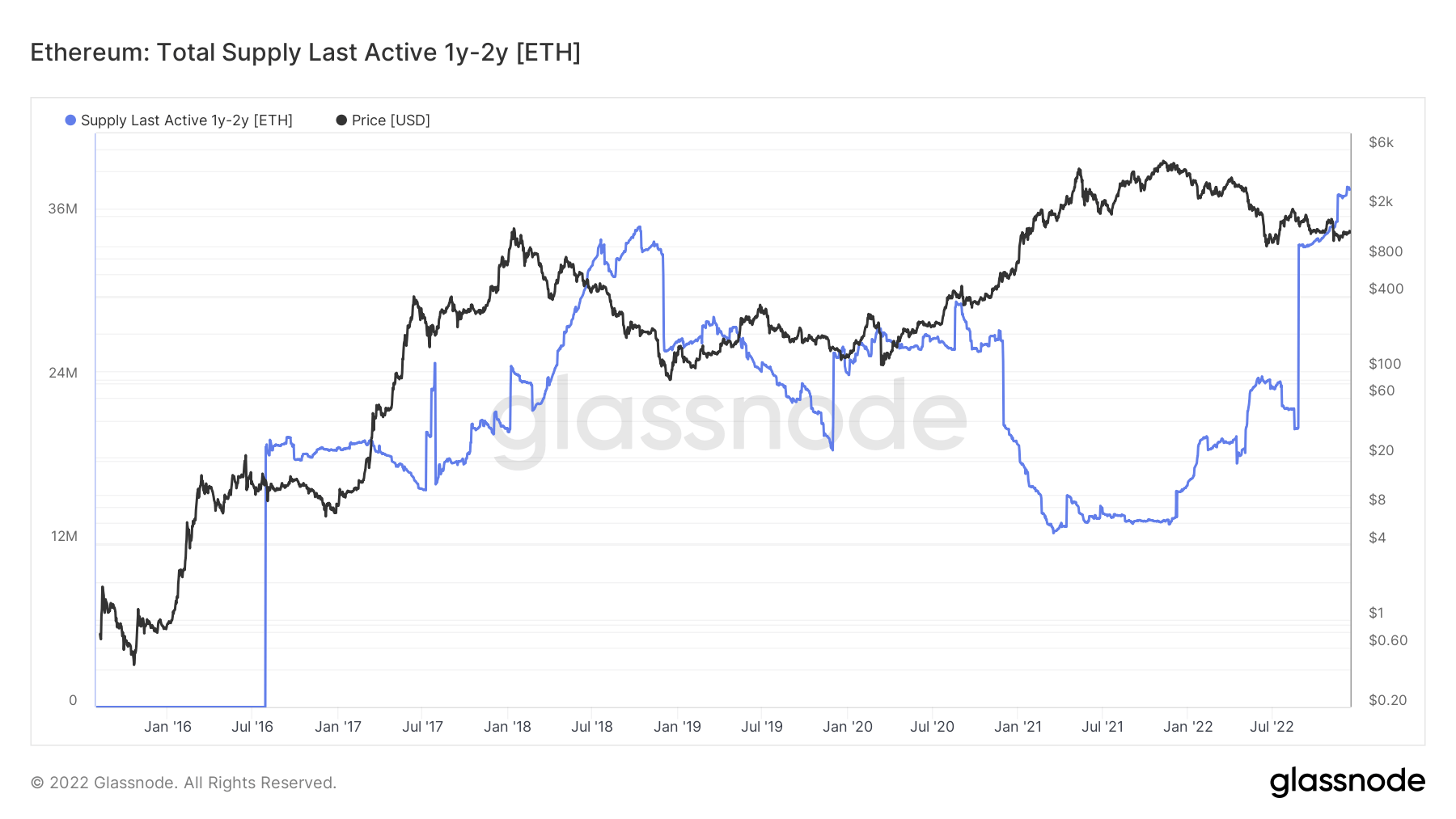
The group’s total supply increased significantly in July 2022, with most of the assets trading above $1000. These investors currently hold 40 million ETH, which is similar to the amount held by BTC investors who have held it for at least a year.
Glassnode data also shows that the total ETH supply loss is now at 44 million ETH, down slightly from its June cycle peak of 50 million. This pales in comparison to numbers recorded during the Covid-19 pandemic and his 2019 bear market when supply losses topped his 72 million tokens.
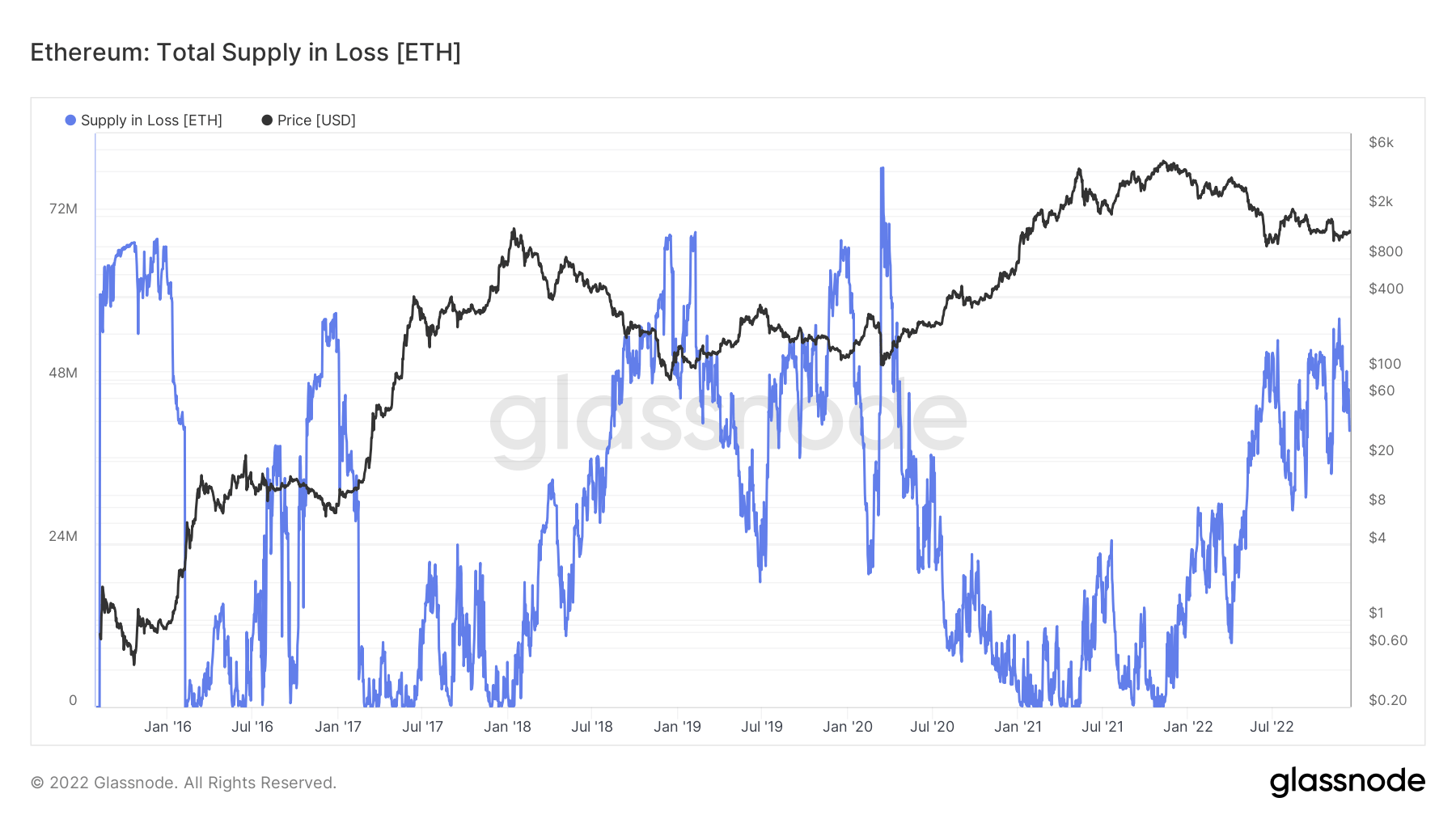
Despite the sharp drop in ETH in 2022, with low losses, most investors are bullish on the asset and expect its value to rise significantly over time.
This bullishness is tied to the fact that the ETH supply has been deflationary several times since the Merge event. Analysts predict increased network activity will lead to sustained deflationary supply.
Posted In: Ethereum, Research