


























No products in the cart.


The most visible symbol of the role financial services are playing not only in Dubai in particular, but across the UAE is the Dubai International Financial Center (DIFC) is a major Special Economic Zone (SEZ) in a city promoting its position not only as a regional hub, but also as a global player. The DIFC alone is estimated to account for at least 12% of Dubai’s total Gross Domestic Product (GDP).
DIFC is the only Middle East, Africa and South Asia (MEASA) ranked among the world’s top 10 major financial centers ( Index of Global Financial Centers) joins other centers in Hong Kong, Singapore, New York City and London.
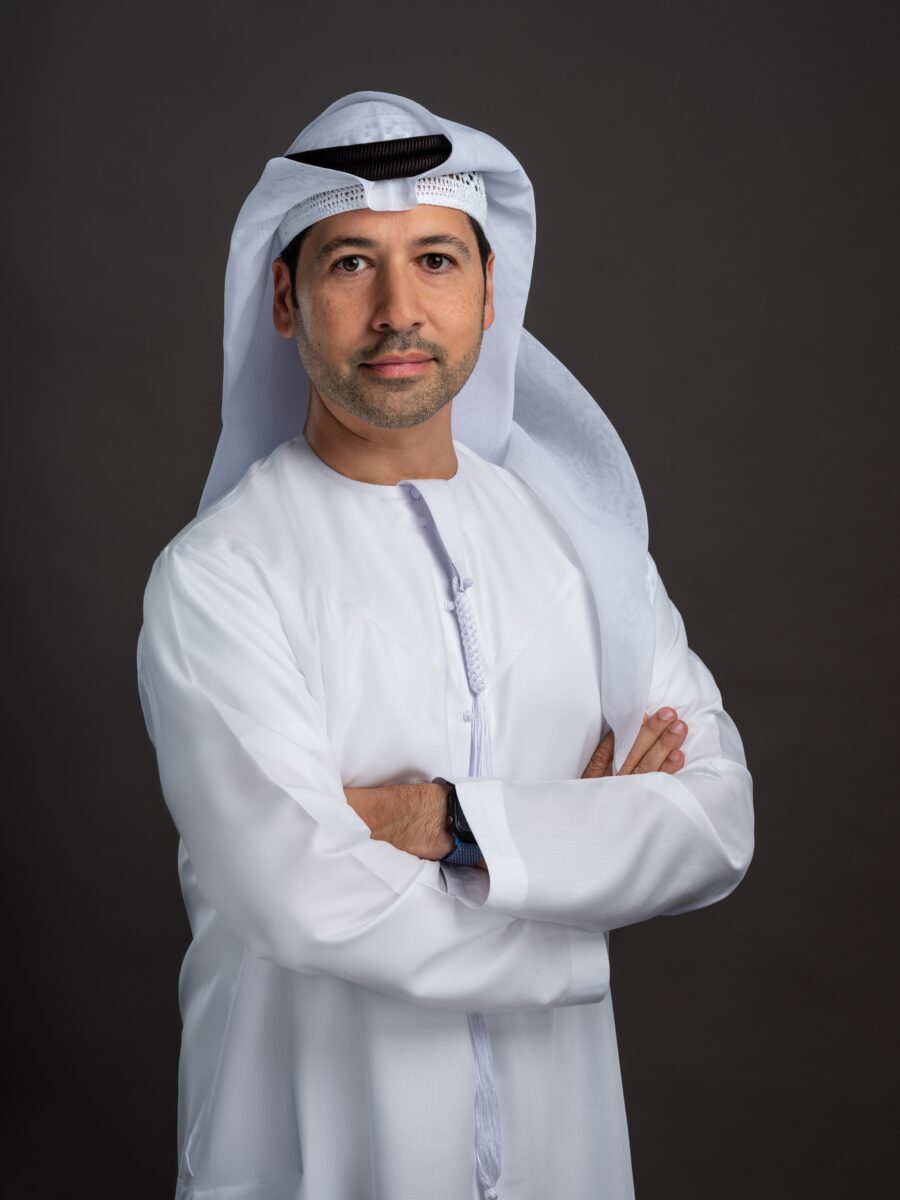
according to Arif AmiriCEO DIFC authorityThrough Strategy 2030, DIFC is committed to driving the future of finance, differentiating Dubai as a global hub for financial institutions, fintechs and innovative companies, and enhancing its economic contribution to the emirate.
A total of 537 new entities were registered in the first half of this year, up 11% year-to-date. The total number of companies operating in the DIFC has increased from 3,297 to 4,031 at the end of June 2022, a 22% year-on-year increase. This has delivered the fastest rate of job creation growth since its inception, further expanding the region’s largest and most diverse industry talent pool.
Demonstrating the attractiveness of the market-leading DIFC’s operating environment, legal and regulatory framework, innovation offerings, and ecosystem depth, the center is currently home to 1,252 financial and innovation-related companies, expected to open by 2021. That’s a 22% increase from the same period last year. Innovation companies surged from his 406 to his 599, a 23% year-on-year increase. For new clients, Rapid, the first Israeli company regulated in the UAE. Tarabut Gateway is the first regulated open banking platform licensed by the US government. Dubai Financial Services Authority (DFSA); KMMRCE Holdingsa leading digital-first technology provider based in Dubai. One Global Broking, a professional international brokerage firm.When ADIB Capital Co., Ltd.For Wealth & Asset Management.
DIFC has been defining the region’s financial sector for several years. The ambitious steps taken by Dubai, especially his DIFC, to propel the future of finance will create many new opportunities for business.
DIFC also remains at the forefront of the evolution of fintech and innovation. In June, DIFC hosted the region’s largest Fintech Week, bringing together fintech innovators, leading investment firms, banks, policy makers and service providers to accelerate the industry’s adoption of next-generation technology solutions.
To support the growth of fintech and innovation companies in the region, DIFC launched a global venture studio hub and expanded its innovation hub proposition by introducing a $100 million venture debt fund.
Amiri adds: Central Bank of the United Arab Emirates (CBUAE)The lab will work with banks, fintechs, regulators and industry to unlock the sector’s next wave of growth, increasing consumer protection, financial inclusion, social good and economic opportunity.
DIFC continues to develop laws, regulations, and industry thinking to differentiate itself as a global financial center.
In the first half of this year, DIFC law and regulation changes included amendments to globally recognized data protection laws. The law supports the development of technology and innovation while ensuring that the rights of individuals are adequately protected by the companies within the DIFC and the companies with which they are involved. The DIFC Data Protection Act is in the final stages of assessing parity with UK privacy law and is a partnership that offers practical solutions to the complex issues associated with cross-border data sharing.
The center has also generated a new wave of interest in Dubai from US financial services companies. This followed a successful roadshow attended by senior executives from over 100 of America’s leading financial services and technology companies. Additionally, the Republic of Turkey Roadshow held a series of strategic meetings in Istanbul with key customers and partners in a move to build strong partnerships with companies in the Republic of Turkey. In the Middle East, the DIFC successfully held a roundtable in Tel Aviv, Israel, with 30 prospective clients from a wide range of businesses in the financial services sector.

according to Ian Johnston,Chief executive officer DFSAMoreThe UAE economy has recovered rapidly in 2022, achieving pre-pandemic levels of growth.
Within the DIFC, the regulated financial services ecosystem continues to grow with DFSA approving 63 financial institutions in the first nine months of 2022. This represents a 26% increase from 2021. represents an increase.
With the introduction of new regulatory frameworks such as the Money Services Regime 2020, the Investment Token Regime 2021 and the Innovation Test License (ITL) program, the types of companies that obtain licenses continue to diversify. These include crowdfunding platforms, SME funding platforms, digital debt and sukuk issuing platforms.
We expect to see further growth within the ecosystem after the introduction of the cryptocurrency regime in November.
As more and more innovative financial products and services are introduced to the market, DFSA has built a dedicated team within the organization to effectively oversee these products and services. We look forward to prospering and being at the forefront of the future of finance.
In the Middle East and North Africa (MENA), Dubai is estimated to be home to about half the fintechs of the entire region.Many of them are based on DIFC Fintech Hiveis also based within the DIFC and serves as a major catalyst for Dubai’s fintech sector.
For example, the DIFC FinTech Hive has DIFC Fintech Accelerator Programprovides the most innovative start-ups with access to the region’s largest financial industry banks and insurers for partnership opportunities, investor exposure, mentorship and more.
This year, 20 startups tackling issues such as cryptocurrencies, digital asset wallets and investtech were selected to participate. Additionally, running parallel to this program was his AccelerateHER program sponsored this year. HSBCsaw a record number of applicants.
When it comes to start-ups, Dubai now accounts for 57% of scale-up funding in the MENA region, while the emirate is home to 39% of scale-up funding in the region, according to a new report produced by Dubai Digital Economy Chamber in cooperation with mind the bridge When crunch base.
Dubai made headlines in the metaverse world this year, announcing its strategy and ambition to become a global metaverse hub.of dubai government recently formed the High Commission for Future Technologies and the Digital Economy to oversee the city’s efforts to become a leading global hub for Metaverse technology adoption.
at companies such as Emirates NBDis one of the largest banks in the Middle East and Africa (MEA) region and has launched a Global Accelerator Program for Metaverse Startups. This is in partnership with DIFC Fintech Hive, microsoft.
The environment will match authentic, real-life events and locations, and the beta is expected to go live in the fourth quarter of this year.
According to a report from PwC When it comes to UAE cryptocurrency regulation, UAE trading volume in global markets has reached about $25 billion, a figure that increased by 500% between July 2020 and June 2021. doing. Lebanon at $26 billion.
The United Arab Emirates has been actively encouraging the growth of the cryptocurrency industry, enacting the Dubai Virtual Assets Act, Dubai Virtual Assets Regulatory Authority (VARA)the industry was largely unregulated a few years ago, but recent legislative actions demonstrate the government’s commitment to reducing the risk of potential financial crime in the emerging industry.
data from master Cardof Borderless Payments Report 2021/2022 More than half (51%) of UAE people who have made cross-border payments to family and friends online in the past 12 months believe the recipient would have struggled financially without the assistance. This compares to 40% globally as payments continue to provide a lifeline for those with families abroad.
In Dubai, companies are also going digital.of Department of Economics and Tourism (DET) Dubai and Visa Economic Empowerment Institute (VEEI) We conducted a joint study and published its findings to assess the resilience of Dubai’s SMEs during covid-19.
the resulting white paper, Dubai SMEs: Digitally Resilientwhich explored the digital journeys of micro, small and medium enterprises (MSMEs) in Dubai and leveraged Visa data to provide insights into UAE commerce trends.
This paper examines the findings of a survey of over 900 MSMEs based in Dubai, showing that digital I’ve found functionality to be important. MSME recovery and resilience.
The COVID-19 pandemic has also led to a surge in e-commerce as business owners acted quickly to meet customer demands. A joint study by Visa and DET looked at companies willing to accept card-not-present (CNP) payments as an indicator of e-commerce activity. For all companies in Dubai, this proportion increased from 8% in July 2019 to 13% in August 2021, a growth of 60%.
Combined with Abu Dhabi, the capital of the neighboring United Arab Emirates, what Dubai has to offer continues to be favorable to the country as a whole, and I believe more positive things will happen in terms of broader economic development and diversification. sees. This gives the fintech sector a bigger role to play in the future economy.