





























No products in the cart.


The Emirate of Abu Dhabi is home to about 3 million people, with half of the population living in the capital with the same name.
there is a sum of Seven Among such emirates (or states) located in the United Arab Emirates, Dubai, Sharjah and Ras Al Khaimah are examples of neighborhoods.
The United Arab Emirates has the world’s sixth largest oil reserves (2020), with Abu Dhabi holding the largest share of the other six countries. emiratesabout 92.2 billion barrels of oil (2019).
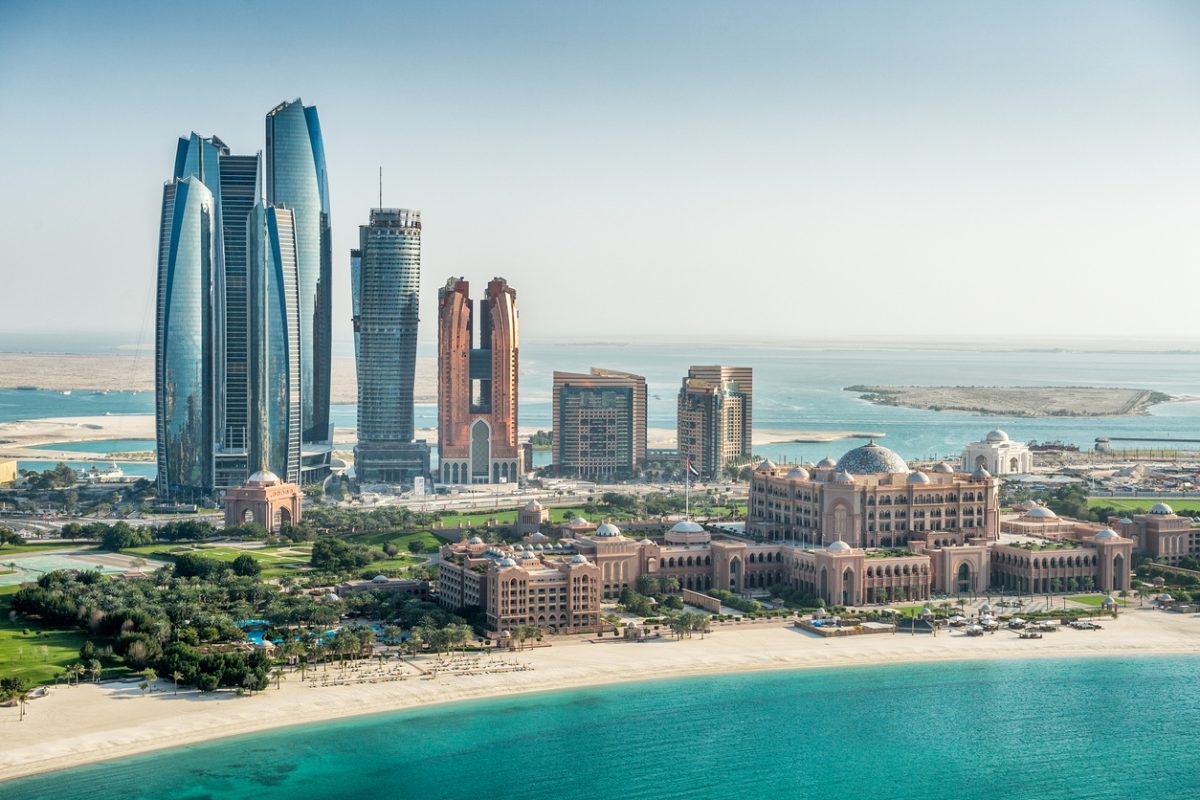
Its vast oil reserves have transformed Abu Dhabi’s economy from a small fishing village into the capital of a prosperous and wealthy emirate with $3 billion in assets. Emirates Palace (the world’s most expensive hotel ever built) and Sheikh Zayed Grand Mosqueone of the largest mosques in the world.
Neighboring Gulf countries have experienced similar prosperity against the backdrop of oil reserves.
Abu Dhabi is also a regional hub and hosts the headquarters of the same. Arab Monetary Fund.

just like the rest Gulf Cooperation Council (GCC) The UAE, the nations of Saudi Arabia, Qatar, Oman, Kuwait and Bahrain, is implementing a long-term economic development strategy aimed at diversifying its economy away from oil.
The focus is increasingly on knowledge-intensive sectors such as technology and fintech.
In the case of Abu Dhabi, in parallel with the United Arab Emirates as a whole, the emirate is Abu Dhabi 2030corresponding to emirates and cities.
Financial services and fintech are becoming increasingly important to Abu Dhabi. In recent years, millions of people have joined his ecosystem of startups through sovereign wealth funds (SWFs). Abu Dhabi Investment Authority (ADIA) is one of the world’s largest SWFs with approximately $700 billion invested. assets.
this is, Abu Dhabi Global Market (ADGM) is located on Mariya Island, Abu Dhabi. ADGM is the city’s international financial center and free zone and a major catalyst in driving Abu Dhabi’s fintech agenda, helping to drive overall economic development.

In discussing the phenomenal growth of the city’s financial sector, Emmanuel ZivanakisCEO financial services regulator (FSRA) explains Abu Dhabi’s focus on critical high-growth sectors.
These include “information and communications technology, renewable energy, agritech, high-tech manufacturing and defense,” comments Givanakis.
This focus is accompanied by various initiatives that promote innovation within sustainable economic development.
ADGM has emerged as a solid example of Abu Dhabi’s success story and has become a key facilitator of international investment and business growth in Abu Dhabi and beyond.
To cement its position as the global financial center of choice, Givanakis explains how ADGM’s business ecosystem is built on three pillars.
These include business-friendly registration facilities that ensure flexibility in licensing a range of businesses, state-of-the-art jurisdiction under UK common law, and credible and innovative regulation that maintains the integrity and credibility of the financial centre. Includes institutions.
As part of our efforts to help transform the financial industry into a digital We have launched some effective regulations and guidance, adds Givanakis.
The FSRA maintains close contact with industry to ensure that its regulatory framework and approach are fit for purpose.
FSRA has just implemented a regulatory framework for physical and environmental commodity activities, making it the first international financial center in the MENA region to do so, commented Givanakis.
Another region-first initiative included in this framework highlights dedicated products and listing rules related to mining and oil companies.
Away from an innovative approach to regulating crypto-assets, the FSRA recently published a discussion paper on Decentralized Finance (DeFi), actively engaging industry stakeholders in the development of a regulatory framework to support DeFi has presented potential opportunities arising from
Givanakis explains how ADGM fully embraces the use of regulatory technology to not only oversee but support the financial services industry’s compliance function.
This sets the foundation for a robust and transparent center for sustainable finance, he says.
More importantly, it will strengthen the effectiveness of the institutional governance and supervision of the International Finance Corporation and strengthen and expand Abu Dhabi’s footprint in the global financial industry.
First, the emirate has hosted various events, discussions and forums related to finance, fintech and broader digital.
It is planned to spotlight Abu Dhabi in the region Abu Dhabi Finance Week It will be hosted by ADGM in November this year.
According to ADGM’s website, the event builds on the success of its flagship initiative. fintech abu dhabihosted since 2017.
Secondly, it is also on the island of Al Maria. Hub71which is also a major catalyst when it comes to nurturing and growing Abu Dhabi’s tech ecosystem, was just launched in 2019.
This year, in August, Hub71 selected the latest technology startups, including fintech and other sectors, from dozens of applications around the world.
Attendees can watch as they participate in a two-year program with Hub71. incentive programwhich gives you up to $136,124.80 (500,000 AEDs).
Thirdly, various announcements, announcements and innovations are coming from the capital.
for example, WyobankIt is a digital banking platform regulated by Central Bank of the United Arab Emirates (CBUAE) officially launched in September and is focused on providing state-of-the-art digital banking apps for customers and embedding financial services into digital businesses.
joint ownership Abu Dhabi Development Company (ADQ), Alpha Dhabi Holding, Etisalatone of the major telecommunications companies in the United Arab Emirates, First Abu Dhabi Bank Wio, one of the largest banks in the (FAB), Middle East and Africa (MEA) regions, is built around three main capabilities: digital banking apps, embedded finance and banking-as-service (BaaS) solutions. I’m here.
According to them, it is the first platform bank in the region and is consistent with the UAE platform bank. digital economy strategyaims to double the digital economy’s contribution to Gross Domestic Product (GDP) over the next decade.
It aims to strengthen the UAE’s position as a regional and global digital economy hub.
There is also a growing number of fintech-enabled ecosystems, from fintech itself to other direct and indirect enablers.
Fintechs headquartered and/or established in Abu Dhabi, including trading platforms mid chain and wealth tech companies fin catfish; To name a few.
The capital also has various accelerators such as: plug and playalso growing and nurturing a wide range of tech and fintech ecosystems, including VCs and mentors.
Undoubtedly, we expect more to come from Abu Dhabi as it implements its broader economic development agenda. Fintech plays a part in that.